

The AC compressor is the heart of your cooling system, and when it begins to fail, the effects are felt throughout your home. Mankato, MN, homeowners who notice warm air from vents, rising energy bills, unusual noises, or ice forming on the outdoor unit may be dealing with a compressor nearing the end of its service life. Recognizing these signs early and acting on them prevents further system damage and avoids the discomfort of a full breakdown during the hottest stretch of summer. Here is what to watch for and what each symptom typically means.
1. A Noticeable Decrease in Cooling Power
The compressor’s job is to circulate refrigerant through the system and generate the cool air that flows to every room in your home. As it ages and loses efficiency, the system struggles to maintain comfortable temperatures even when running continuously.
If the air coming from your vents feels warm or lukewarm, or your home simply never reaches the temperature on the thermostat, the compressor is a likely culprit. A professional technician can evaluate whether the drop in cooling performance is compressor-related or stems from another part of the system. Either way, addressing it early prevents the kind of cascading damage that turns a compressor issue into a full system replacement.
2. Unusual Noises From the AC Unit
Some sounds from a running air conditioner are perfectly normal, including the fan, the compressor cycling on and off, and occasional condensation dripping. What is not normal is grinding, screeching, rattling, or banging coming from the unit during operation.
These sounds typically indicate that internal compressor components are worn or failing. They tend to worsen progressively, so a noise that seems minor today often becomes significantly louder and more disruptive within a few weeks. When unusual sounds appear, scheduling a professional inspection promptly is the best course of action. If the compressor is failing, AC repair or replacement addressed early is far less disruptive than waiting for a complete breakdown.
3. Consistently Increasing Energy Bills
A gradual but persistent climb in monthly utility costs, without a clear change in usage habits, is one of the more telling signs that your AC system is not operating efficiently. A compressor that is struggling to do its job runs longer and draws more power to achieve the same result, and that shows up directly on your energy bill.
To get a clearer picture, compare your current usage against the same months in previous years, accounting for seasonal temperature differences. Monitoring your AC’s runtime is also useful: a system that runs excessively long cycles without reaching the set temperature is signaling a performance problem. Reviewing energy consumption patterns alongside a professional AC maintenance inspection gives you the information needed to make a sound decision about repair versus replacement.
4. Frequent Short-Cycling
Short-cycling refers to the compressor turning on and off more frequently than normal without completing a full cooling cycle. It places significant stress on the compressor and other system components, accelerating wear and increasing energy costs.
Common causes include low refrigerant levels, dirty condenser coils, a malfunctioning thermostat, or electrical issues within the compressor itself. Accurately diagnosing the root cause matters because the right fix depends entirely on what is driving the behavior. A qualified technician will check for airflow restrictions, inspect refrigerant charge, evaluate the thermostat, and assess the compressor’s condition before recommending a repair path. Left unaddressed, short-cycling shortens the remaining life of an already stressed compressor.
5. Ice Formation on the Outdoor Coils
Ice buildup on the outdoor unit is a sign that something is interfering with the system’s ability to transfer heat properly. When airflow is restricted, refrigerant levels are low, or the coils are heavily soiled, the refrigerant can drop to temperatures that cause moisture to freeze on contact with the coil surface.
Beyond the visible ice, the real concern is what this condition does to the compressor over time. Operating under these circumstances forces the compressor to work against reduced efficiency and elevated pressures, which accelerates wear. If you notice ice forming on the outdoor unit, turn the system off and contact a technician. Continuing to run the system in this state risks permanent compressor damage.
6. Persistent Foul Odors From the AC System
Odors coming through your vents when the AC runs are not just unpleasant; they indicate a condition inside the system that needs professional attention. A musty or moldy smell often indicates mold or mildew growth on the evaporator coil or in the ductwork. A burning or acrid smell can signal electrical issues within the compressor or other components.
Addressing odor issues usually involves cleaning the evaporator coil, clearing clogs in the condensate drain line to prevent standing water, and maintaining a consistent filter replacement schedule to prevent particulate buildup. In cases where odors persist despite cleaning, a UV light system or other air purification addition to the ductwork may be worth considering.
7. Reduced Airflow From the Vents
When airflow from your vents feels noticeably weaker than it once did, the first step is to rule out the most straightforward causes. Check the air filter and replace it if it is dirty, and confirm that none of the vents throughout your home are blocked by furniture or other obstructions. Inspect accessible ductwork for any visible disconnections or leaks that may be allowing conditioned air to escape before it reaches living spaces.
If these checks do not resolve the issue, reduced airflow may indicate a more serious problem with the blower motor or the compressor. A failing compressor that cannot maintain adequate pressure will produce weaker airflow as a byproduct. At that point, a professional diagnostic is the appropriate next step.
8. Replacing an Aging AC Compressor
When a compressor has reached the end of its useful life, replacement is the most cost-effective path forward. Running an aging compressor that is failing drives up energy costs, risks damage to other system components, and delivers unreliable cooling throughout the process.
When the time comes to replace your Mankato home, there are several factors worth discussing with your technician. Proper sizing ensures the new compressor matches your system’s capacity rather than creating new performance imbalances. Energy efficiency ratings, particularly the SEER rating, affect long-term operating costs and should be factored into the selection. Compatibility with existing equipment and the manufacturer’s warranty coverage are also important considerations.
Our team at Babe Plumbing, Heating and Air, Heating, and Air handles compressor replacement with the attention to detail that a job of this scope requires. If your system is also approaching the age where broader replacement makes more sense than component repair, we can walk you through AC installation options suited to your home and budget.
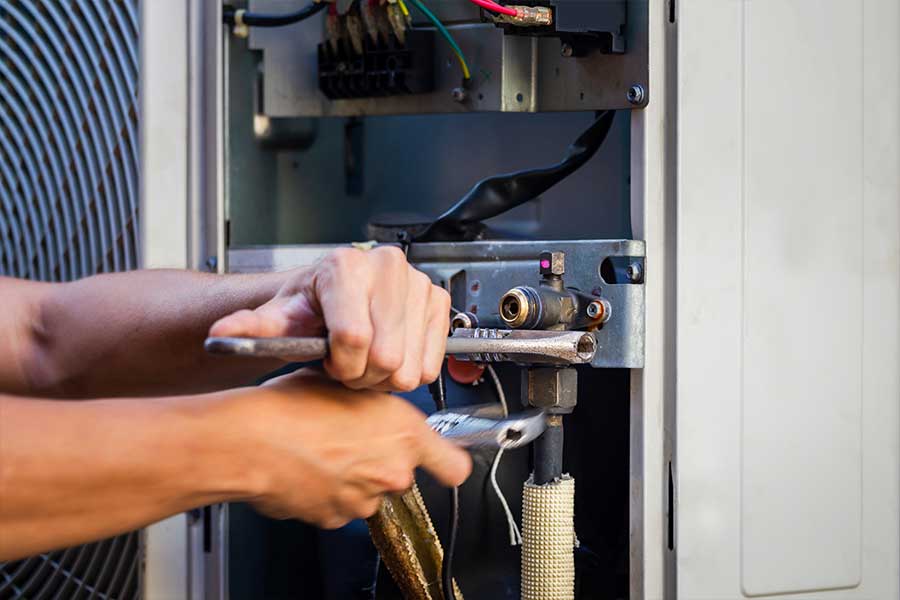
When to Call a Professional About Your Mankato AC Compressor
Any of the eight signs covered here is reason enough to schedule a professional assessment before the peak of the Mankato cooling season. Compressor issues rarely stay contained, and the longer a failing component runs, the greater the risk of damage to the broader system.
Babe Plumbing, Heating and Air, Heating, and Air has over 40 years of experience serving Mankato homeowners with honest assessments and reliable HVAC service. Whether your system needs a targeted repair or a full compressor replacement, our team will give you a clear picture of what is happening and what it will take to resolve it. Contact us today to schedule your inspection and protect your home’s comfort before summer arrives.