
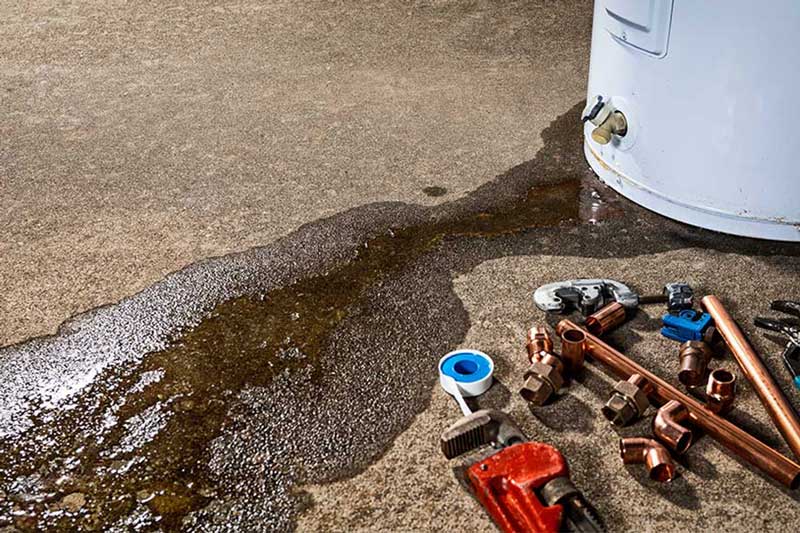
Just like the unexpected chill of winter in Mankato, MN, water heater problems can catch you off guard. When you suddenly find yourself without hot water, it’s frustrating and inconvenient. But before you panic, there are several fixes you can try to get things back on track. From checking the power supply to inspecting the thermostat, these steps can help restore your comfort. Let’s explore what you can do next.
Check the Power Supply
When your water heater isn’t working, the first thing you should do is check the power supply. Start by making sure it’s plugged in properly; loose connections can easily disrupt the flow of electricity.
If it’s hardwired, inspect the circuit breaker to see if it’s tripped. Simply resetting it might solve the issue. You’ll also want to check for any blown fuses, as these can prevent your heater from receiving power.
If everything looks good, but your heater still won’t start, it may be time to look at the wiring for any damage or wear.
In some cases, the issue could stem from a faulty heating element, which requires professional attention. If you can’t identify the problem, don’t hesitate to reach out to an expert like Babe Plumbing, Heating and Air for quick and reliable service. With over 40 years of experience in water heater installation and replacement, they can help you diagnose and fix the issue efficiently.
Your hot water is just a few checks away!
Inspect the Thermostat Settings
Have you checked the thermostat settings? This step is essential when your water heater isn’t performing as expected. Sometimes, the thermostat may be set too low, causing lukewarm water when you need it hot.
Start by locating the thermostat on your water heater—usually a dial or digital display. Adjust the temperature to around 120 degrees Fahrenheit for the best performance. If you’ve got a two-element heater, make sure both thermostats are set correctly.
Next, listen for any unusual sounds. If the thermostat clicks but the heater doesn’t respond, you might need a replacement.
Don’t forget to examine the surrounding area for any debris or insulation that might be affecting its function. If you’re experiencing persistent issues, it could be time to consider water heater repair services from experts like Babe Plumbing, Heating and Air.
If you’re uncomfortable making adjustments or if the problem persists, it’s time to call in a professional. Babe Plumbing, Heating and Air is here to help with any thermostat issues you might encounter!
Flush the Water Heater
Flushing your water heater is essential to remove sediment buildup that can affect its performance. By doing this, you’ll improve heating efficiency and extend the lifespan of your unit. Regular maintenance, including flushing, can help prevent costly breakdowns and ensure your water heater operates efficiently. Let’s explore how to properly flush your water heater for ideal results.
Remove Sediment Buildup
To keep your water heater running efficiently, it’s essential to remove sediment buildup regularly. Over time, minerals from hard water settle at the bottom of your tank, affecting performance and reducing lifespan.
To flush the water heater, start by turning off the power supply and closing the cold-water inlet valve. Connect a garden hose to the drain valve and position the other end in a suitable drainage area. Open the drain valve and let the water flow out until it runs clear. This process should take about 20-30 minutes.
Once done, close the valve, remove the hose, and reopen the cold-water inlet to refill the tank. Regularly flushing your heater prevents sediment issues and helps maintain peak performance.
Improve Heating Efficiency
Removing sediment buildup is just one step in ensuring your water heater operates efficiently. Flushing your water heater regularly helps eliminate mineral deposits that can hinder performance.
To do this, turn off the power and water supply, then connect a garden hose to the drain valve. Open the valve and let the water flow out until it runs clear. This process not only improves heating efficiency but also extends the lifespan of your unit.
You should aim to flush your water heater at least once a year. If you’re unsure or need assistance, don’t hesitate to call Babe Plumbing, Heating and Air. Their expert team can help maintain your water heater so it runs smoothly and efficiently.
Examine the Heating Elements
When your water heater isn’t performing, start by examining the heating elements.
You’ll want to check the power supply to guarantee it’s working properly, inspect the condition of the elements for any visible damage, and test their resistance levels. Additionally, consider scheduling routine boiler maintenance to ensure your overall heating system is functioning efficiently. These steps can help pinpoint the issue and get your hot water flowing again.
Check Power Supply
One of the first steps in troubleshooting water heater issues is to check the power supply, specifically the heating elements.
Verify your water heater is plugged in and that the circuit breaker hasn’t tripped. If it has, reset it and see if that resolves the issue.
Next, you’ll want to examine the heating elements themselves. If they’re faulty, they won’t heat the water effectively. You can test them with a multimeter to check for continuity. If there’s no continuity, it’s time to replace the heating element.
Inspect Element Condition
Heating elements are crucial for your water heater’s performance, so inspecting their condition is necessary.
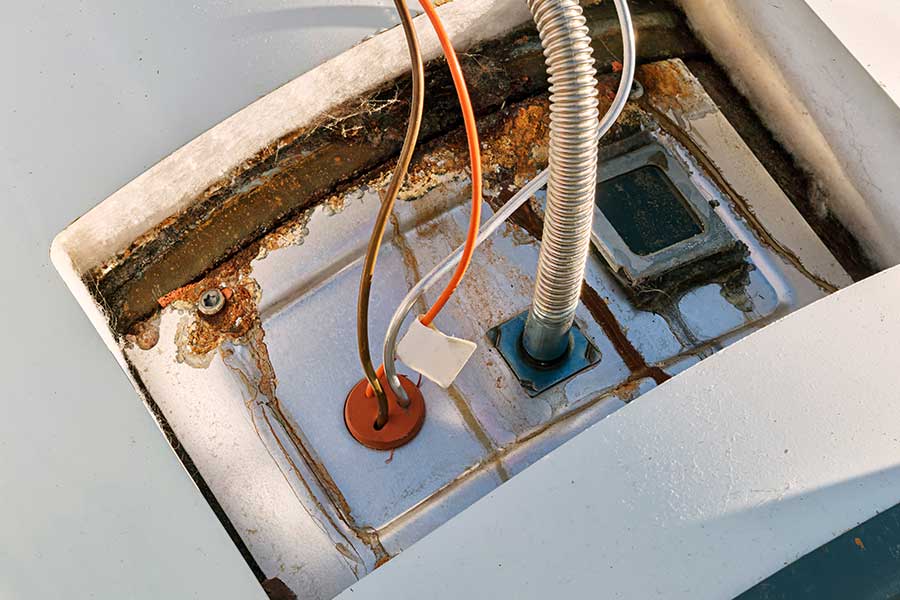
Start by turning off the power to your water heater to guarantee safety. Next, remove the access panels to expose the heating elements. Look for any signs of corrosion, discoloration, or damage. If you notice any wear and tear, it may be time to replace them.
Also, check for mineral buildup, which can hinder performance and efficiency. Regularly inspecting these elements can help prevent larger issues down the line.
If you’re unsure about the condition or how to proceed, don’t hesitate to call a professional. Remember, maintaining your water heater can save you money and provide consistent hot water when you need it.
Test Resistance Levels
After inspecting the condition of the heating elements, the next step is to test their resistance levels.
You’ll need a multimeter for this task. Set it to the ohms setting and disconnect the power supply to your water heater for safety.
Remove the wires from the heating elements and touch the multimeter probes to the terminals. A functional heating element usually shows a resistance between 10 to 40 ohms.
If you see a reading outside this range—or no reading at all—the element is likely faulty. Replace it to restore your water heater’s efficiency.
Regular testing can help you catch issues early, ensuring you enjoy hot water without unexpected interruptions.
Look for Leaks or Corrosion
Inspecting your water heater for leaks or corrosion is vital to maintaining its efficiency and longevity. Start by checking the area around the tank, including the pipes and fittings, for any signs of water pooling or dampness. If you notice any leaks, address them immediately to prevent further damage.
Don’t forget to examine the tank itself for signs of corrosion, such as rust or discoloration. These issues can lead to reduced performance and even complete failure of the unit.
If corrosion is present, it’s important to evaluate the extent of the damage. Minor rust spots may be treatable, but extensive corrosion often requires replacement.
Make sure you also inspect the anode rod, which helps prevent corrosion inside the tank. If it’s severely corroded, replacing it can extend your water heater’s lifespan.
Regular checks can save you from costly repairs down the line, so make this a part of your routine maintenance.
Test the Pressure Relief Valve
One essential maintenance task for your water heater is testing the pressure relief valve.
This valve is a critical safety feature that helps prevent excess pressure buildup, which can lead to leaks or even explosions. It’s simple to check and can save you from serious issues down the line.
Here’s what you should do:
- Locate the valve: It’s usually found on the top or side of the tank.
- Lift the lever: Carefully lift the lever to let a little water out. If it flows freely, the valve is functioning.
- Check for leaks: After testing, verify there’s no water leaking around the valve.
If you notice any problems, it’s best to replace the valve immediately.
Regularly testing this component guarantees your water heater operates safely and efficiently, giving you peace of mind.
Consider Professional Maintenance
While testing your water heater’s components is important, there’s no substitute for professional maintenance. Regular upkeep from experts like Babe Plumbing, Heating and Air can help you avoid costly repairs down the line. Their technicians know what to look for, ensuring your system runs efficiently and safely.
During a maintenance visit, they’ll inspect, clean, and service your water heater, addressing any potential issues before they escalate. This not only extends the lifespan of your unit but also improves its performance.
You’ll enjoy consistent hot water without the fear of sudden breakdowns. Plus, with upfront pricing and honest recommendations, you won’t have to worry about unexpected costs.
Scheduling regular maintenance gives you peace of mind and keeps your home’s water supply reliable. Don’t wait until you face a major problem; reach out to Babe Plumbing, Heating and Air to set up your maintenance appointment today!
Conclusion
Don’t let water heater issues leave you in the cold! By checking the power supply, adjusting the thermostat, and flushing the tank, you can often resolve problems on your own. Sure, it might seem challenging, but these simple fixes can save you time and money. If you still face issues, don’t hesitate to call a professional. A little maintenance now can prevent bigger headaches later, ensuring you enjoy consistent hot water when you need it most!