
When you need any plumbing system modification, including upgrades to your water heater, count on Babe Plumbing, Heating and Air. Contact us today to learn more!
Homeowners who often run out of hot water may ask, “Can I add a tankless water heater to an existing system?” Tankless units are one of the best home water heating options because they heat water on demand, so you never have to worry about running out of hot water. In addition, doing away with the conventional tank means you’ll have more space available and less chance of a mess should the tank leak.
If you’re interested in installing a tankless water heater near Minnesota, learn all about the benefits of this system and its installation. Let the experts at Babe Plumbing, Heating and Air explain how you can replace a conventional water heater with a tankless one and easily hook it up to your existing HVAC system.
How Tankless Water Heaters Work
Before answering the question, “Can I add a tankless water heater to an existing system?” let’s go over how these units work. Like conventional water heaters, tankless models warm up your water supply with either a gas source or electricity. The system doesn’t feature a big, bulky tank with hot water that runs out after a certain amount of time. Instead, tankless units heat water on demand so you can ensure you get the supply you need.
Installing a tankless water heater in your existing system will require electricity to heat the water and supplement the supply already in your tank. The one small downside of a tankless heater is that you won’t be able to enjoy hot water during a power outage. Otherwise, you can still enjoy several benefits.
Benefits of Tankless Water Heaters
You’ll notice significant energy savings when you convert to a tankless water heater. This is because the unit only works when you turn the hot water on with your faucets or shower. Instead of heating a large tank you aren’t using, the system helps you conserve energy by heating water on demand and can also reduce the water heater’s propane consumption.
The tankless model creates more space in your home thanks to its compact design. You’ll experience a safer water supply as well since conventional tanks tend to accumulate sediment inside that changes the water’s taste and color. These systems cost more upfront but are worthwhile investments since they can last twice as long as conventional water heaters and require little maintenance.
Can I Add a Tankless Water Heater to an Existing System?
If you want to reap the benefits of a tankless water heater at a lower upfront cost, you can add it to your existing system. Supplementing your conventional water heater with a tankless one is known as installing a booster. Let’s go over the basics of how these systems work together and what the installation process involves.
Boosters Connect to the Conventional Water Heater
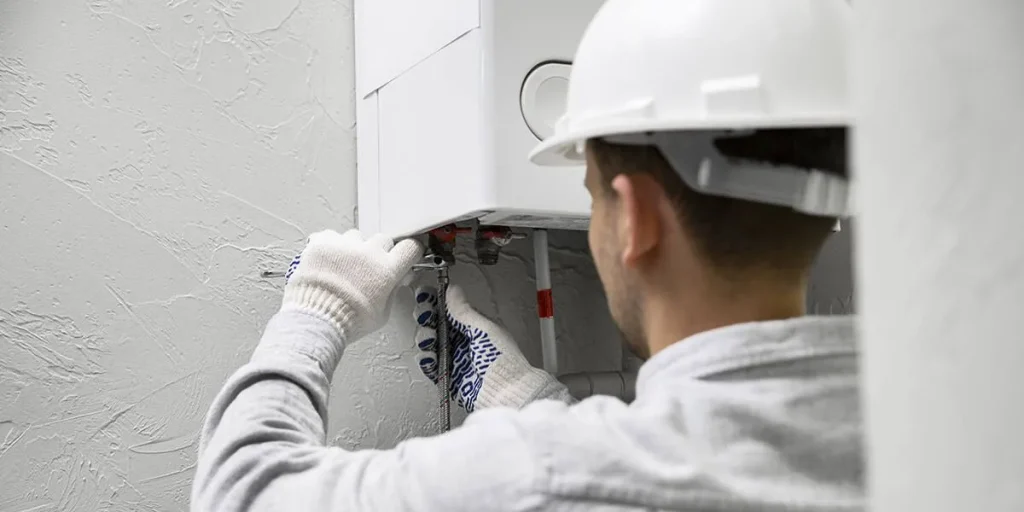
For a tankless unit to work in conjunction with your current system, expert technicians must attach it to the hot water feed line. Experts usually place the new system right next to the existing tank, though it may be possible to mount the tankless unit on a nearby wall.
Your tankless booster will take warm water from the tank and bring it to a higher temperature before distributing it to your plumbing fixtures. This system is slightly different than operating with just a tankless water heater since the supply in the tank will run out eventually.
Factors To Consider Before Retrofitting Tankless Water Heaters
A professional plumber should inspect your current setup to determine whether installing a booster is a good idea. They will need to assess the following:
- Your gas line dimensions
- The home’s electrical capacity
- Overall condition of your plumbing fixtures
Experts must review the water heater compatibility between your existing system and a tankless booster.
Why You Should Consider Adding a Tankless Water Heater to Your Existing System
Now that you have the answer to “Can I add a tankless water heater to an existing system?” discover some common scenarios when you should consider adding a booster versus relying solely on a tankless unit. If your conventional water heater works fine, but you often run out of hot water, don’t spend money on a unit with a bigger tank. Instead, add a tankless booster for an extended supply.
This is also smart if you need a bigger tank but don’t have enough room in your home to accommodate the large system. Installing a compact booster along the hot water feed line saves you space without compromising your water supply. Consider adding a booster if you’re looking to cut down on energy bills since many have settings you can trigger to conserve energy either for a short period or all the time.
Even if you have no issues with your current system, adding a booster is a worthwhile investment. You’ll receive a reliable hot water supply and enjoy the longer lifespan and minimal maintenance of a tankless unit.
What To Expect During Tankless Water Heater Installation
Always let a licensed plumber install boosters. Attempting this process without training or qualifications could result in injury or damage to the overall system. The plumber must first inspect the existing water heater and determine whether adding a booster is the right choice for your setup.
It’s possible they’ll need to perform repairs on your conventional unit if any problems arise. Expect the installation to take a few hours to ensure everything is in place and working properly.
Contact Babe Plumbing, Heating and Air for an Existing Water Heater System Upgrade
Can I add a tankless water heater to an existing system? The experts at Babe Plumbing, Heating and Air can answer this question and more while installing a tankless water heater in your home. Join the growing list of happy customers who trust our plumbing services in Southern Minnesota.
Call Babe Plumbing, Heating and Air at 507-625-7162 to schedule a tankless water heater installation.